
Trusted And Reliable Waste Collection!
Overview
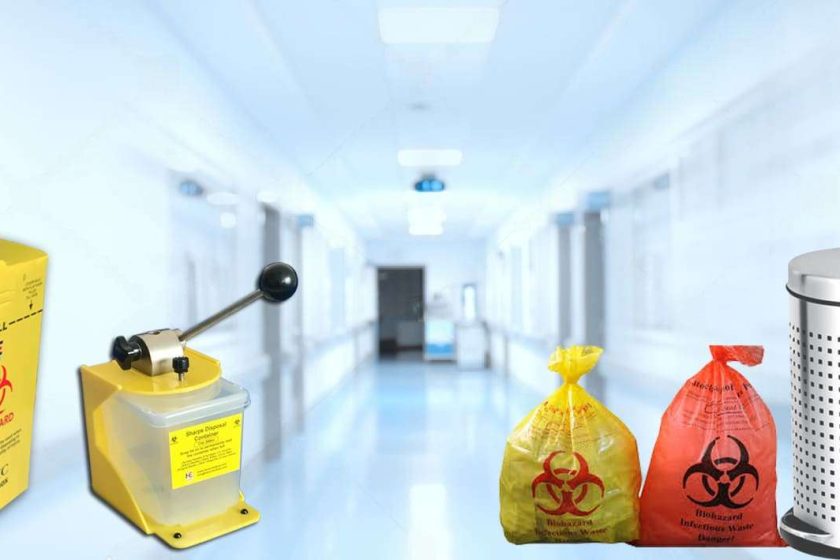
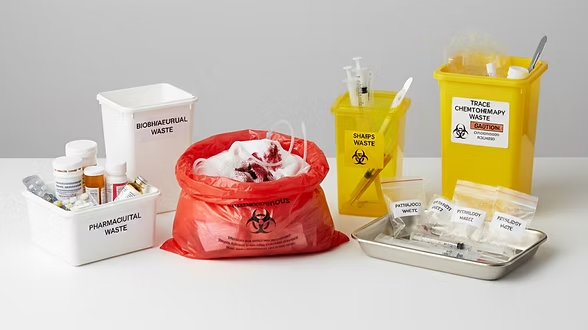
IFI provides safe handling of hospital, laboratory, and pharmaceutical waste.
Hazardous waste services include handling chemical waste, toxic materials, and industrial hazardous residues.
All processes follow strict safety and environmental standards.
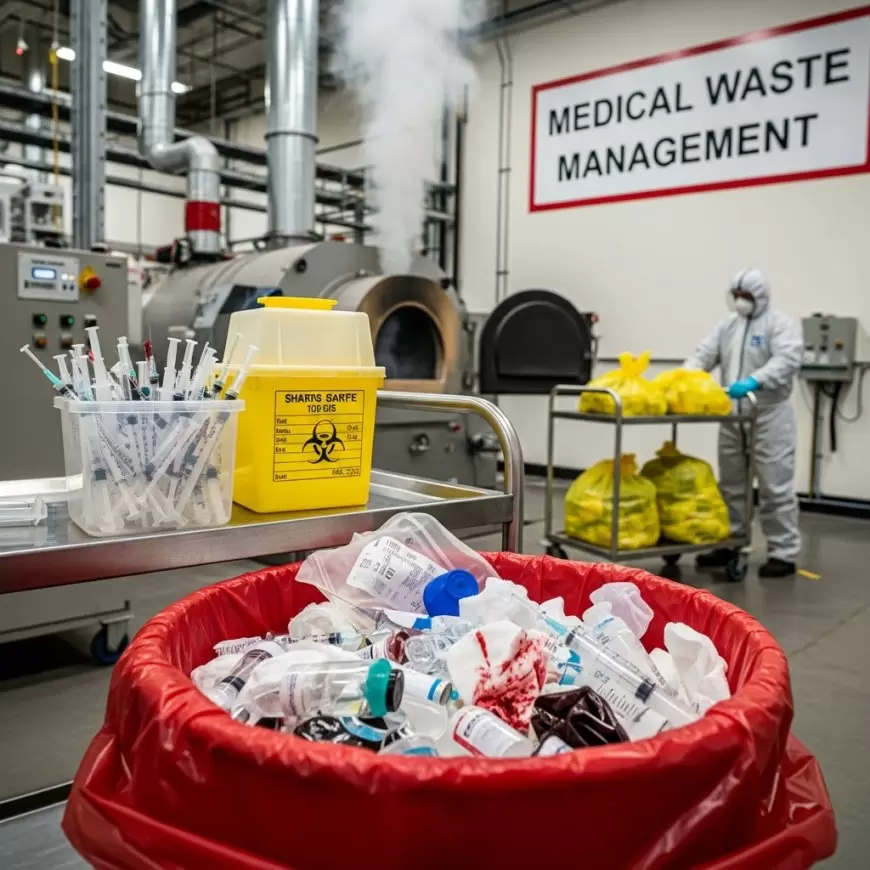
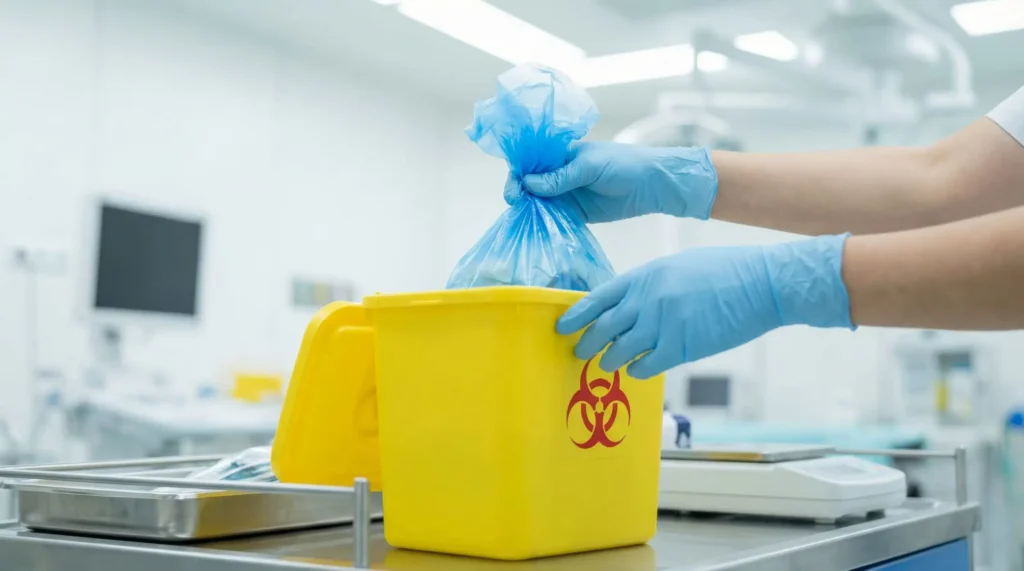
Healthcare facilities generate a wide range of waste materials, some of which can be highly infectious, toxic, or dangerous to both people and the environment. Medical and Hazardous Waste Management is a structured system designed to ensure the safe collection, segregation, treatment, and disposal of healthcare-related waste.
Hospitals, clinics, laboratories, and pharmacies produce medical waste daily. Without proper management, these materials can lead to disease transmission, environmental contamination, and serious public health risks.
A well-organized waste management system ensures that hazardous materials are handled responsibly, protecting healthcare workers, patients, waste handlers, and the community.